
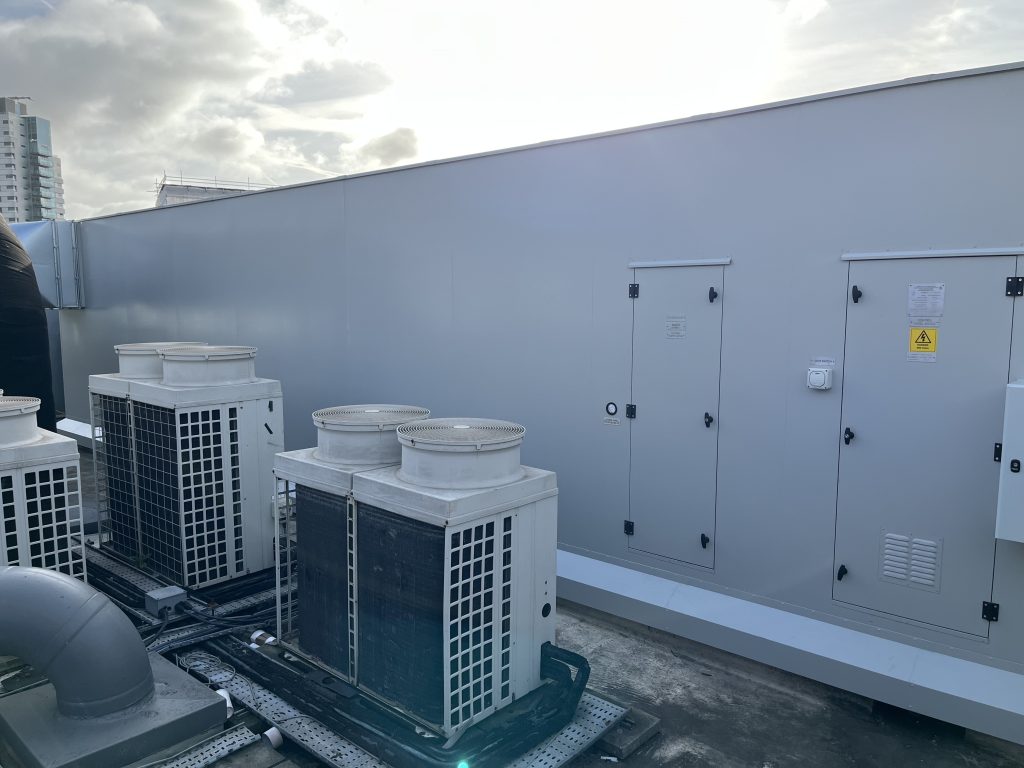
For many organisations, refrigerant is an invisible part of their HVAC system, out of sight and rarely considered until something goes wrong. Yet changing environmental legislation, rising refrigerant costs and the ongoing phase-down of high Global Warming Potential (GWP) gases mean refrigerant compliance has become an important issue for every business operating commercial air conditioning, heat pumps or refrigeration equipment.
Whether you’re responsible for a single office building or a nationwide property portfolio, understanding your responsibilities today can help avoid unnecessary costs, compliance issues and unexpected disruption tomorrow.
Why refrigerants matter
Refrigerants are the working fluids that enable cooling and heating systems to transfer heat efficiently, without them, air conditioning systems, chillers and heat pumps simply wouldn’t function.
The challenge is that many refrigerants historically used in commercial HVAC systems are hydrofluorocarbons (HFCs). While they don’t damage the ozone layer like older refrigerants, many have a high GWP, meaning even relatively small leaks can have a significant environmental impact. This is why governments across the UK and Europe continue to reduce the use of higher-GWP refrigerants through the F-Gas regulations.
What changed in 2025?
One of the most significant milestones came in 2025, when new restrictions began preventing certain new air conditioning and heat pump equipment from being placed on the market if it uses refrigerants with a GWP of 750 or above. The most notable example is single-split air conditioning systems containing less than 3kg of refrigerant, which can no longer use higher-GWP refrigerants such as R410A in new installations.
It’s important to understand what this doesn’t mean. If your building already has an existing system using a higher-GWP refrigerant, you are not automatically required to replace it, existing systems can continue operating and be serviced where regulations allow. That said, as the phase-down continues, refrigerants with higher GWP values are likely to become more expensive and less readily available over time, as production quotas are progressively reduced.
Compliance isn’t just about legislation
Many organisations assume refrigerant compliance simply means following the law. In reality, it’s also about protecting valuable assets. Poor refrigerant management can lead to:
- Reduced cooling performance
- Higher energy consumption and operating costs
- Equipment failure and unplanned downtime
- Higher carbon emissions
Even relatively small refrigerant leaks force systems to work harder, increasing electricity consumption while reducing overall efficiency. For organisations already working towards ESG targets or net zero commitments, preventing refrigerant leakage can have a measurable impact on environmental performance.
What building owners should be doing now
The first step is understanding what equipment you have. Many commercial buildings operate HVAC systems installed 15 or even 20 years ago, with little visibility of the refrigerants they contain or their remaining service life. A professional inspection can help identify the refrigerant currently in use, its GWP, overall system condition, potential leak risks, remaining asset life and opportunities for refurbishment or replacement, allowing facilities managers to plan future investment rather than being forced into reactive decisions following an unexpected breakdown.
Is it time to replace your system?
Not necessarily. While new installations increasingly use lower-GWP refrigerants, replacing a system solely because of its refrigerant isn’t always the most cost-effective option. In many cases, existing equipment can continue to provide reliable service with appropriate maintenance and refrigerant management.
However, if equipment is approaching the end of its operational life, suffering repeated failures or becoming increasingly expensive to maintain, replacement may deliver significant benefits through improved energy efficiency, lower operating costs and easier long-term compliance. Every building is different, which is why these decisions should be based on a technical assessment rather than assumptions.
The role of planned maintenance
One of the simplest ways to remain compliant is through regular planned preventative maintenance. Routine servicing allows qualified engineers to monitor refrigerant levels, identify potential leaks early and ensure systems continue operating safely and efficiently. It also helps organisations maintain energy efficiency, reduce the likelihood of breakdowns, extend equipment life, support environmental reporting and avoid costly emergency repairs. Most importantly, it allows businesses to take control of refrigerant management instead of reacting when problems occur.
Planning for the future
The refrigerant landscape will continue to evolve. The UK Government is already consulting on accelerating the long-term phase-down of HFC refrigerants beyond 2027, reflecting international commitments to reduce greenhouse gas emissions under the Kigali Amendment.
For building owners, that means refrigerant strategy should become part of wider asset management planning. Rather than waiting until equipment fails or refrigerant becomes difficult to source, forward-thinking organisations are reviewing their HVAC estates today, identifying which assets remain fit for purpose and which should form part of a phased upgrade programme.
Engineering-led advice makes the difference
At Weatherite, refrigerant compliance isn’t viewed as a standalone issue. It’s part of a wider strategy that considers energy efficiency, asset life, operational resilience and future legislation together. Whether maintaining existing systems, refurbishing ageing equipment or designing new low-GWP installations, our engineers help customers make informed decisions based on technical evidence rather than short-term fixes, because successful refrigerant compliance isn’t about reacting to regulation. It’s about planning ahead.
Looking ahead with confidence
Refrigerant legislation will continue to evolve, but with the right maintenance strategy and expert guidance, compliance doesn’t have to be complicated. Weatherite works with organisations across commercial, industrial and mission-critical sectors to help them understand their existing HVAC assets, improve system efficiency and prepare for future refrigerant changes. By taking a proactive, engineering-led approach, businesses can reduce risk, protect valuable equipment and ensure their cooling systems remain compliant, reliable and efficient for years to come.